An Architect's Eye: Proportion, Light and Circulation in Staging
How an architect approaches virtual staging: starting from proportion, light, circulation and materials, and letting the furniture follow.
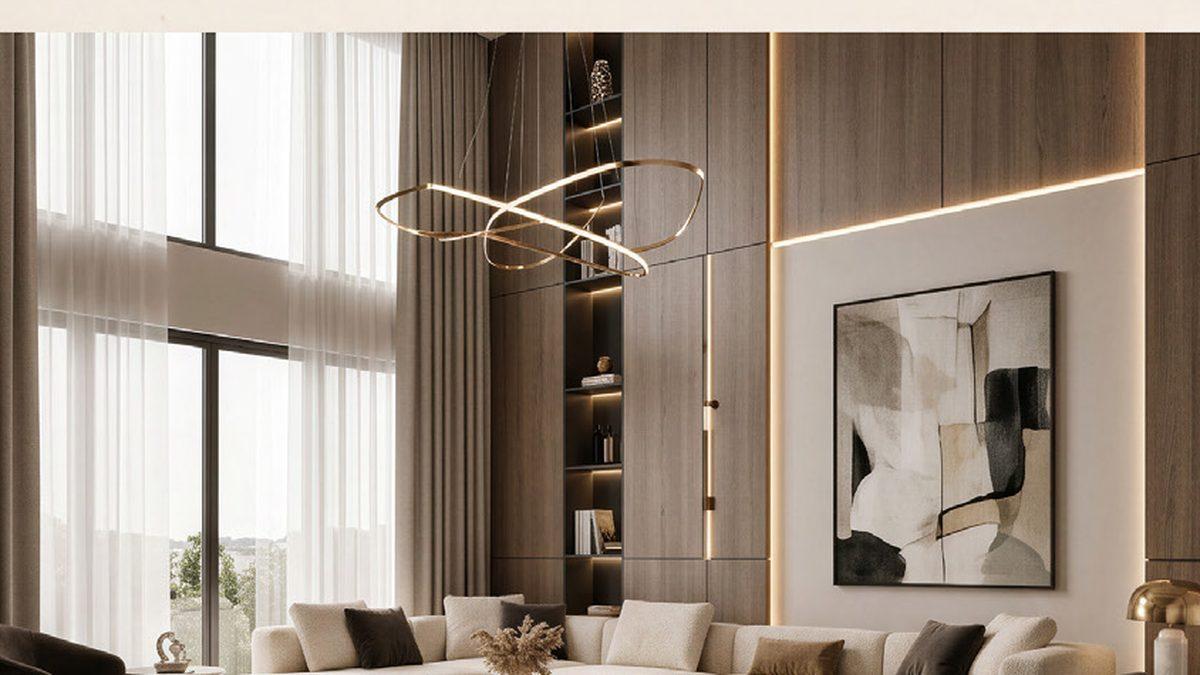
Staging is often described as decoration. For an architect, it is closer to design: a room is a set of proportions, light and movement before it is a set of furniture. This is how we think about it at Arian Studio.
Proportion and scale
Every room has a natural scale set by its walls, ceiling height, doors and windows. Furniture should respond to it: a large sofa in a modest room crowds it, and a tiny table in a big one looks lost. The right proportions make the room feel comfortable without anyone noticing why.
Light
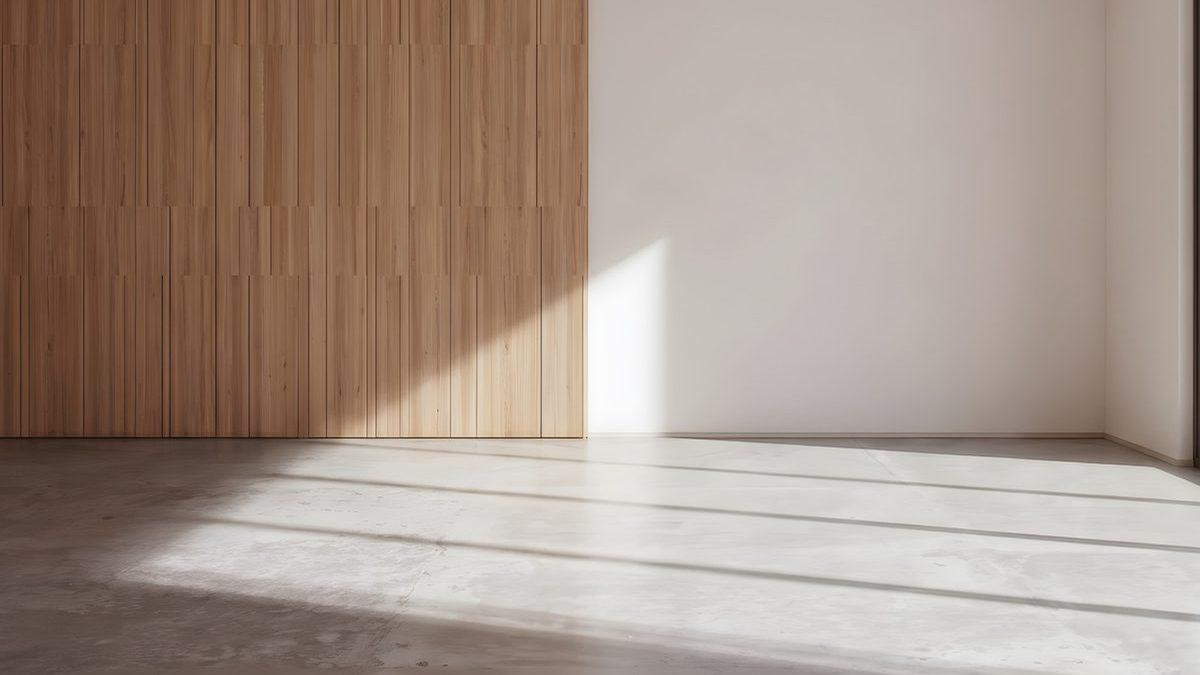
Light defines the mood of a space. We start from where the light comes in, how strong it is and what it falls on, then place furniture, materials and colours that work with it. A staged object must always cast the right shadow.
Circulation
Rooms are experienced by moving through them. Doors, windows and walkways stay clear, and furniture groups guide a natural path. Good circulation is what makes a space feel generous.
Materials and palette
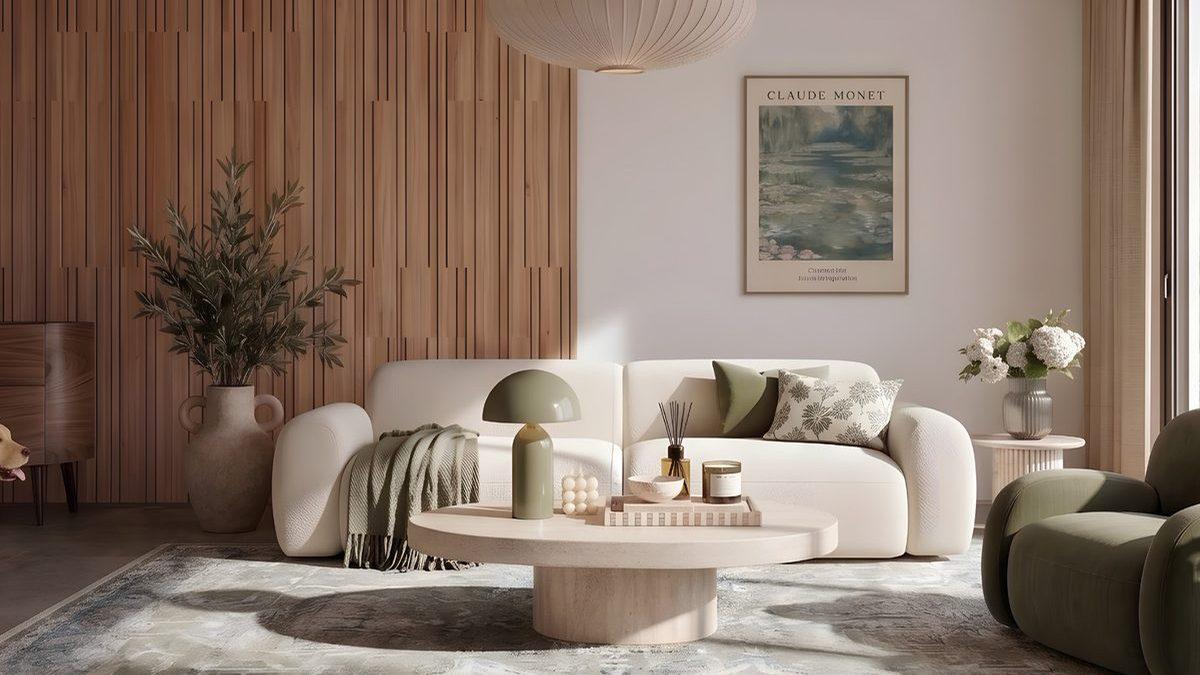
Wood, stone, linen, metal and glass each carry a character. A limited, coherent palette makes an image calm and believable. This is why every one of our six interior styles has its own palette and materials.
A focal point
Every good room has somewhere for the eye to rest, such as a window, a fireplace, a piece of art or a pendant light. Staging creates it deliberately and doesn't compete with it.
What this means for your listing
Staged images made with this approach look natural because they respect the same rules the real room obeys. Buyers may not be able to say why a photo feels right, but they notice, and it shapes how they feel about the property.
An example
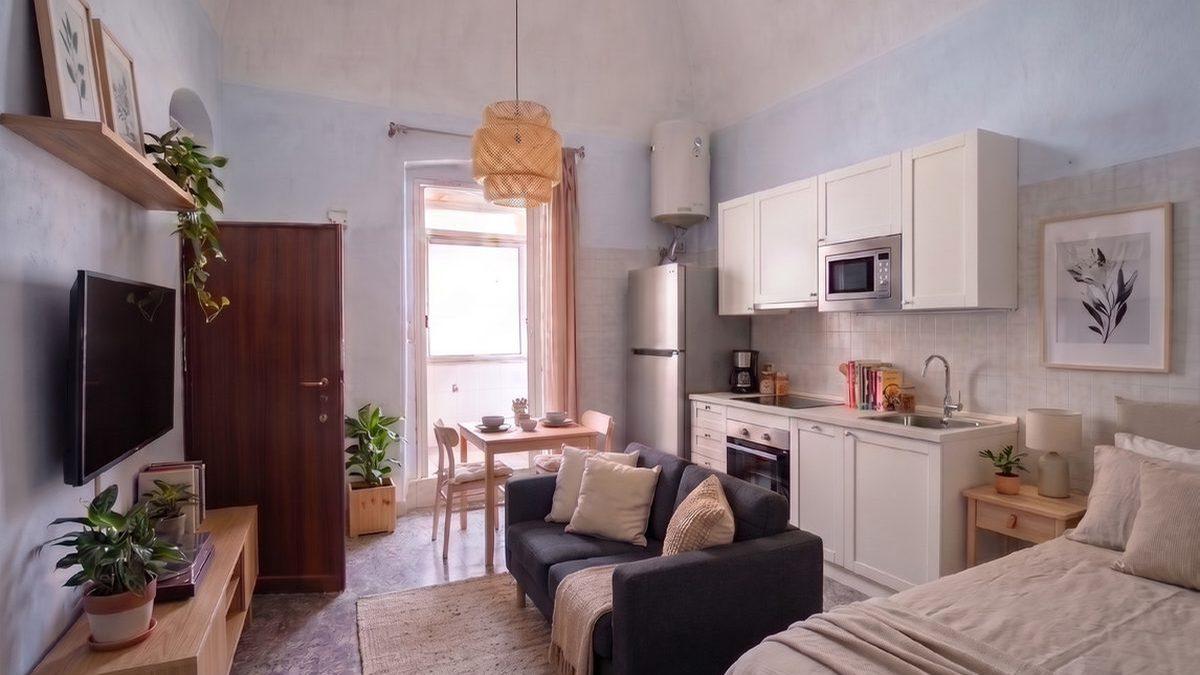
In a vaulted studio, we look at the height first and use a pendant light to draw the eye upward, keep furniture low so the volume reads clearly, and place the bed, kitchen and seating so that the circulation stays open. You can see the result in the portfolio.
Furniture follows
Once proportion, light, circulation and materials are right, the furniture falls into place. That is the difference between filling a room and designing it. If you'd like to know more about the person behind the studio, meet Arian.